Dubbed in a Basement, Numbered in Sharpie: Meet the Last Hand-Piracy Underground
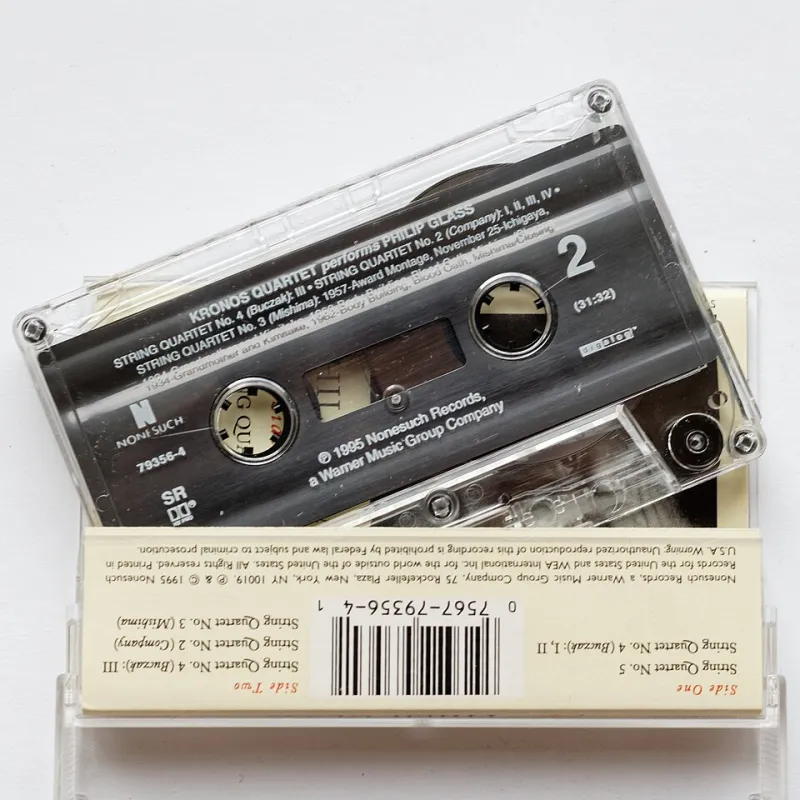
Photo: Retired electrician, CC0, via Wikimedia Commons
The burner hums in a corner of a rented garage outside Dayton, Ohio, spitting out its fourth CD-R of the afternoon. There's no label logo on the tray card. No barcode. Just a strip of rice paper, a tracklist typed on a 1988 typewriter, and a hand-scrawled number: 14 of 40.
The guy doing the burning — he goes by Welder online, and that's all he'll give you — isn't a criminal mastermind. He's a 34-year-old HVAC tech who spends his weekends duplicating albums that, as far as he knows, exist in physical form exactly nowhere.
"The artist released this thing as a digital-only run of, what, eleven listeners?" he says, holding up a rust-colored sleeve. "The label's dead. The Bandcamp page hasn't been touched since 2019. If I don't dub it, it's a ghost."
The Economics of Almost-Nothing
Here's the part that surprises people: this isn't really piracy for profit. Welder charges $12 a copy, and after blank media, sleeves, and shipping, he clears maybe three bucks an hour. He'd honestly make more delivering pizzas.
But the economics of underground music post-streaming are brutal in a specific way. Platforms pay fractions of a cent per stream, which means an experimental artist with 200 monthly listeners earns roughly the price of a gas station coffee per year. Physical runs — even short ones — cost thousands to press. So a whole tier of music lives digitally, unseen and unowned, one server migration away from oblivion.
Enter the dubbers. They buy the digital album, ask permission when they can track an artist down, and don't bother when they can't. They duplicate by hand: cassette decks daisy-chained in pairs, DVD burners stacked like brick ovens, inkjet printers loaded with matte sticker paper. Every copy is functionally handmade.
"I talked to a guy in Portland who does nothing but double-cassette dubs of late-'90s drone records," says Marisol Vega, who runs a small distro table that shows up at fests from Chicago to Richmond. "He numbers them. He includes a xeroxed note explaining why he made it. People treat these things like artifacts, because that's what they are."
The Gray Zone, Explained Badly by Everyone Involved
Legally, this is a swamp. Copyright in a sound recording belongs to whoever holds it — often a label that no longer returns emails, or an artist who signed away rights in 2003 to a company since absorbed three times. Nobody's sure who to even ask.
"The honest answer is I ask forgiveness more than permission," Welder shrugs. "When I can find the artist, I send them copies and cash. Half of them cry. One guy told me mine was the only physical version of his record that exists on Earth."
Enforcement is essentially nonexistent at this scale. Nobody's counterfeiting Taylor Swift in a Dayton garage. The RIAA's radar doesn't register 40 hand-numbered dubs of a tape originally released in an edition of 75. The real risk, dubbers say, is social: the community polices itself hard. Bootleg a living artist's work without blessing and you'll find every distro table suddenly unavailable to you.
Why Anyone Buys a Hand-Burned CD-R in 2025
Because it can't be streamed. That's the whole pitch, and it's airtight.
Owning music has become a radical act. When you buy one of these dubs, you're not just getting audio — you're getting evidence. Proof that a record existed, that someone made it, that it mattered enough for a stranger in Ohio to spend a Saturday duplicating it. The Sharpie number on the sleeve is a promise: this was never meant to be infinite.
Vega puts it bluntly: "Streaming is renting fog. This," she taps a dubbed cassette, "is a rock you can hold."
Welder's current project is his most ambitious: a full dub run of a long-out-of-print triple album by a defunct Midwest psych collective, 60 copies, each with a different thrift-store postcard glued to the front. He expects it to take four weekends. He expects to lose money.
"People ask why," he says, sealing another sleeve. "Man, somebody dubbed me a tape in 2008 that changed my life, and I never got to thank them. This is the thank-you. It just travels forward instead of back."
Tune in. Drop out. Press record.